
Need Help?
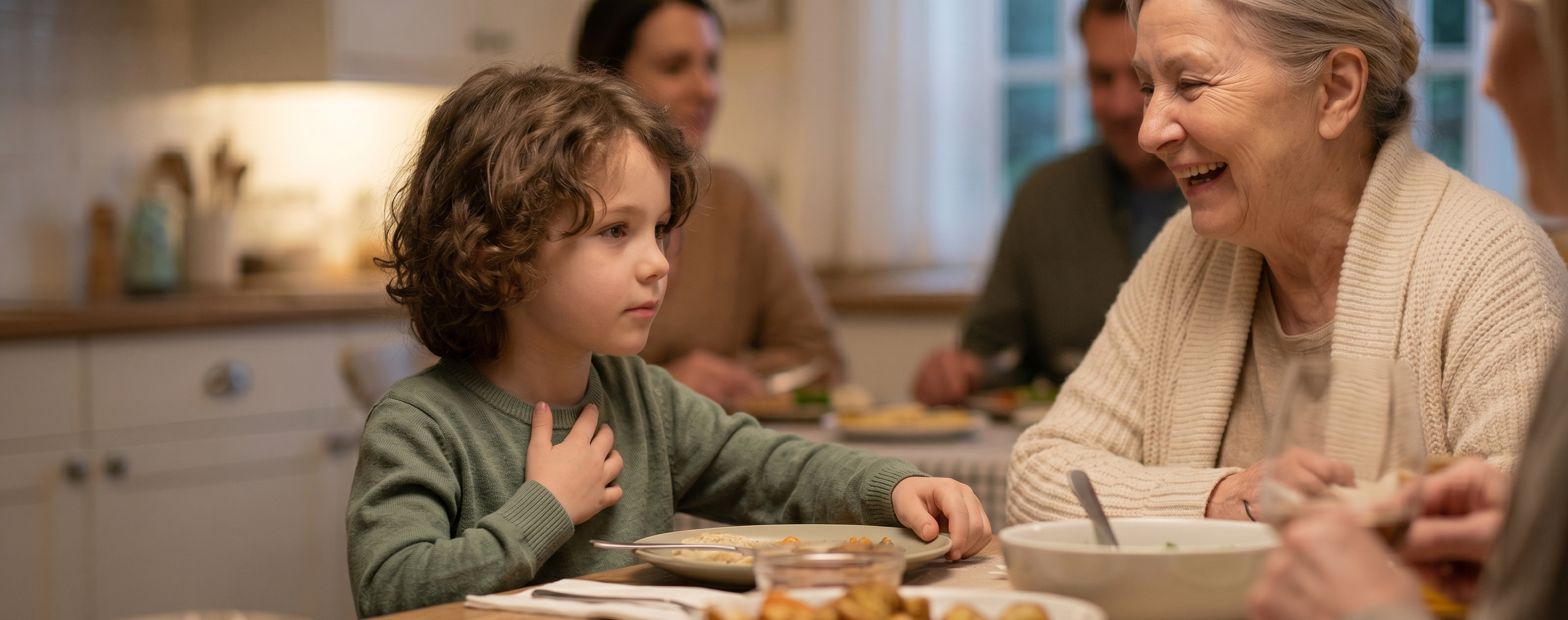
People-pleasing often begins in childhood not out of weakness, but out of love and adaptation.
A child quickly learns what keeps a connection safe.
Maybe the home felt calmer when they stayed quiet. More affectionate when they performed well. So they adjusted. They became agreeable, helpful, easy. What looked like good behavior was often a quiet strategy to maintain closeness.
Over time, that strategy solidified into identity. They became the easy one. The one who never caused trouble.
No one noticed that in becoming everything for everyone else, they were slowly disconnecting from themselves.
Children don't become people-pleasers because something is wrong with them.
They become people-pleasers because they never had a safe enough space to practice the alternative, disagreeing, asserting, taking up space without the fear of losing love.
What they needed wasn't to be told to "speak up."
They needed repeated, low-stakes experiences of expressing themselves and discovering that the relationship survived it.
That their opinion was welcomed. That saying no didn't mean losing warmth.
A child who knows what they think, knows they're allowed to say it, and knows their worth isn't tied to everyone else's approval.
That child doesn't appear by accident.
They're built slowly, through the right conversations and the right environments.
If you'd like to give your child a space to start, we'd love to show you what that looks like.
Try the first class for free here!
Explore TalentGum’s live online classes and find a course that matches your child’s interests.
We will send you a confirmation code
 + 91
+ 91
We will send you a confirmation code

Have trouble signing in? Use Email Address instead.
Don't have an account? Click here to sign up.
Please enter the OTP sent to
<%cust_input_country_code%><%cust_input_value%> 
Almost there: enter your details and select your preferred time