Need Help?
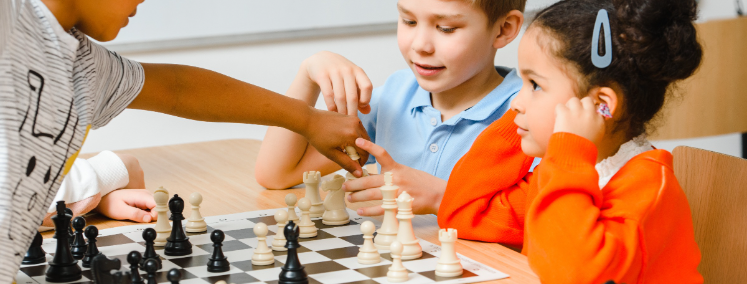
Chess is one of the few activities that combines play with deep learning.
For children, it is more than just moving pieces on a board, it shapes how they think, plan, and solve problems.
Parents who introduce chess early often see a remarkable change in their child’s focus, patience, and confidence.
India is producing some of the most exciting young chess talent in the world, and their stories highlight what happens when children start early.
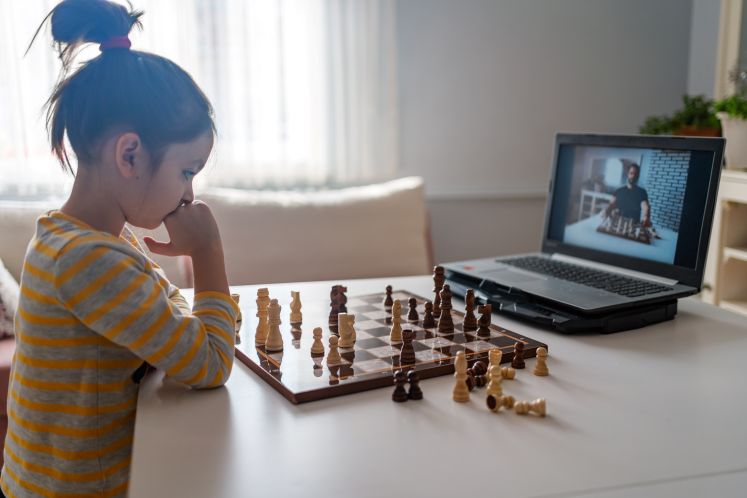
With busy schedules and limited access to top trainers in every city, online chess classes for kids have become a practical solution. Online coaching combines flexibility with quality:
For beginners, online platforms also make it easy to “learn chess step by step”, starting with basic moves and gradually moving to advanced strategies.
TalentGum has built a curriculum designed for young learners at different stages:
The teaching approach blends group challenges with one-on-one sessions, so children experience both teamwork and personalized mentoring.
Chess is not just a game of kings and queens. It is a training ground for sharper thinking and stronger character. With role models like Praggnanandhaa, Gukesh and Divya leading the way, and accessible platforms like ours's offering structured online chess coaching, parents today have the chance to give their children a skill that lasts a lifetime.
Explore TalentGum’s live online classes and find a course that matches your child’s interests.
We will send you a confirmation code
 + 91
+ 91
We will send you a confirmation code

Have trouble signing in? Use Email Address instead.
Don't have an account? Click here to sign up.
Please enter the OTP sent to
<%cust_input_country_code%><%cust_input_value%> 
Almost there: enter your details and select your preferred time